Click image to enlarge

STATUS: Awaiting Funding
FORMAT: Book + Leadership Resources
Opportunity
Funding supports: Collaboration with non-white guest authors, development and production of book and resources for leaders and groups
Goal: $8,500
The draft text and all illustrations are complete, and the book exists as a preliminary mockup. We also have a video of Hanna presenting this story as an illustrated talk. Your support will complete development and fund production of this illustrated book, expanding it from a talk to a published work with wider reach. Investment in “Oppression and Sue” funds both the beautiful production values that Hanna’s art deserves and the distribution infrastructure to get it into the hands of educators, facilitators, and communities committed to unlearning oppression and practicing care. Our stretch goal is to complete an Afrikaans translation and establish distribution in South Africa.
Description
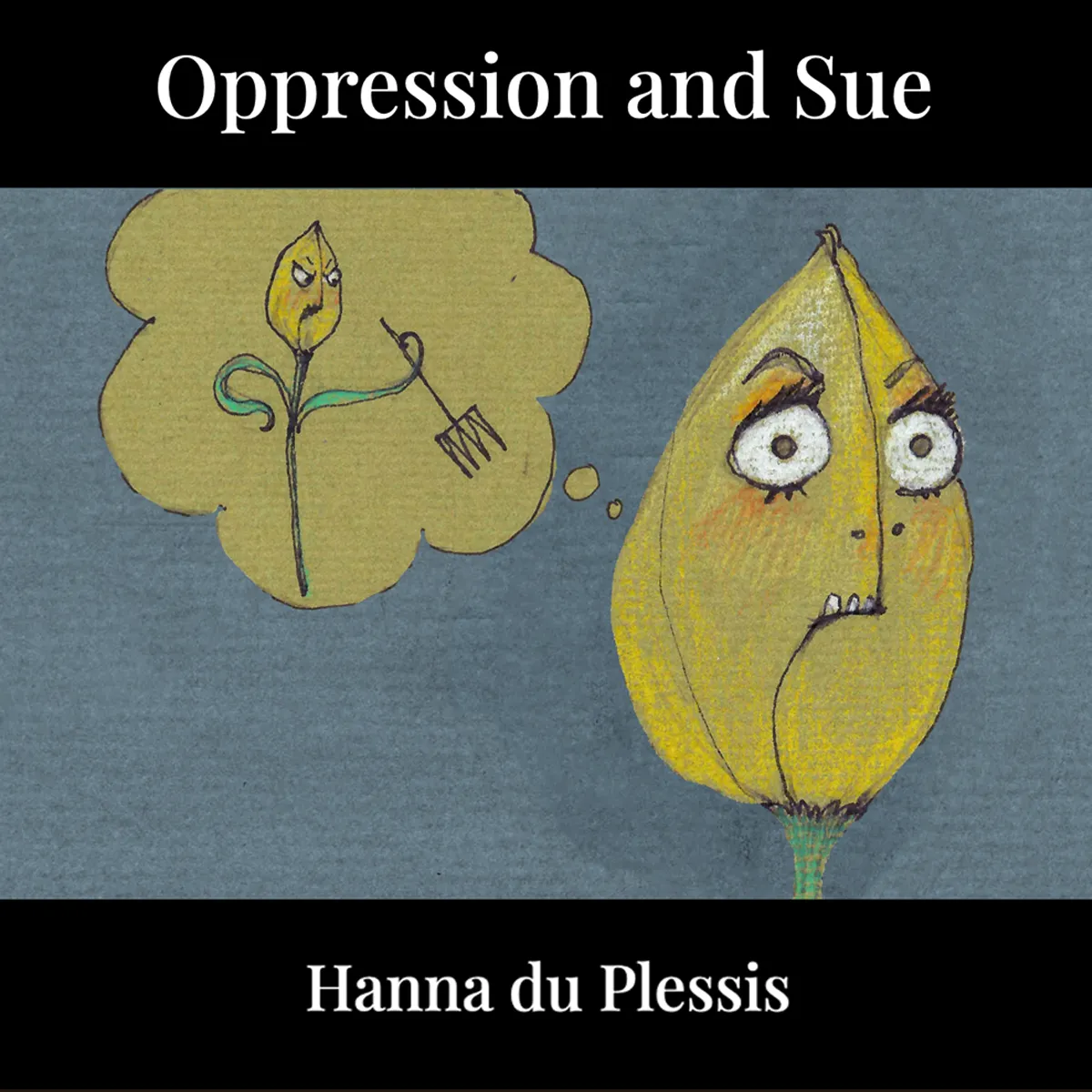
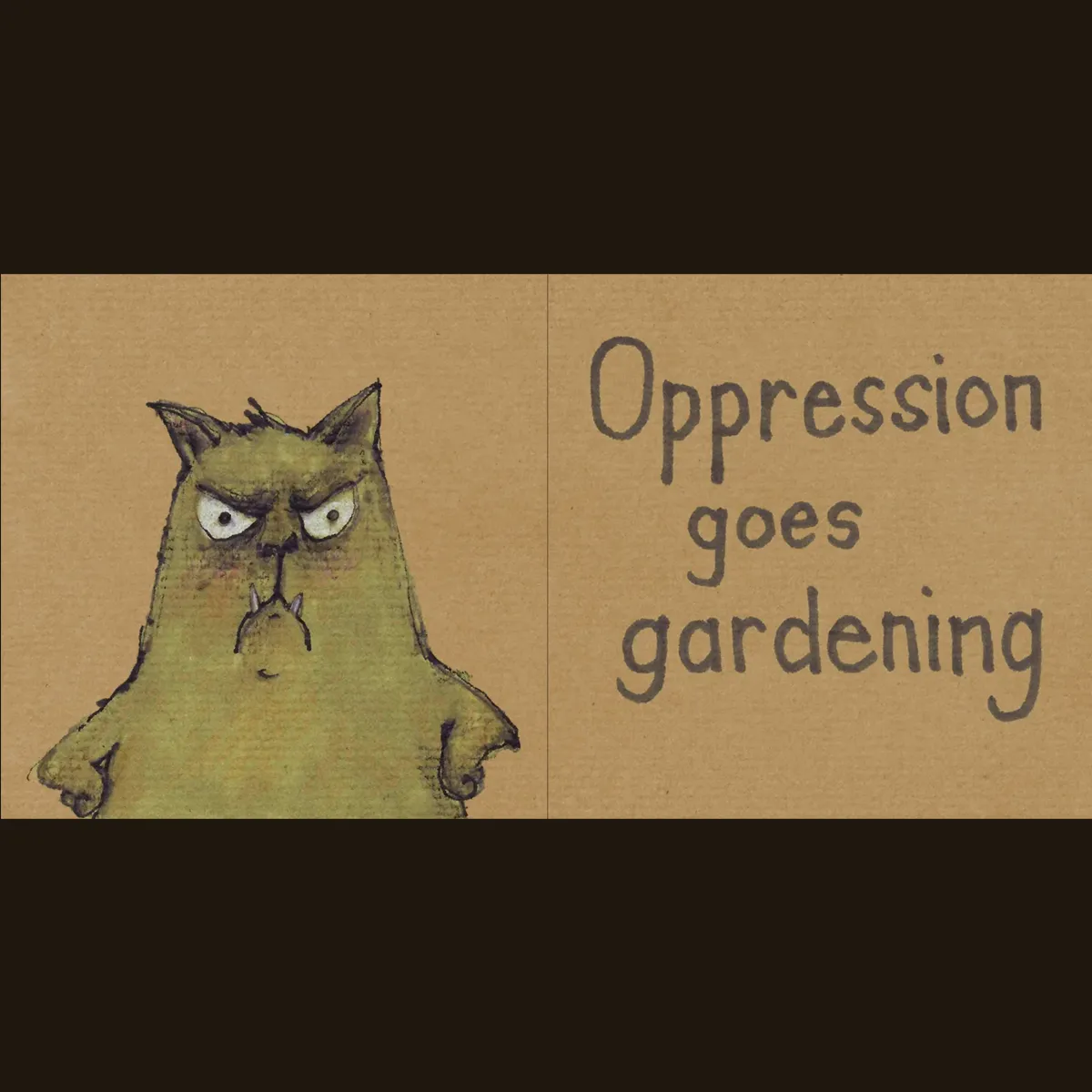
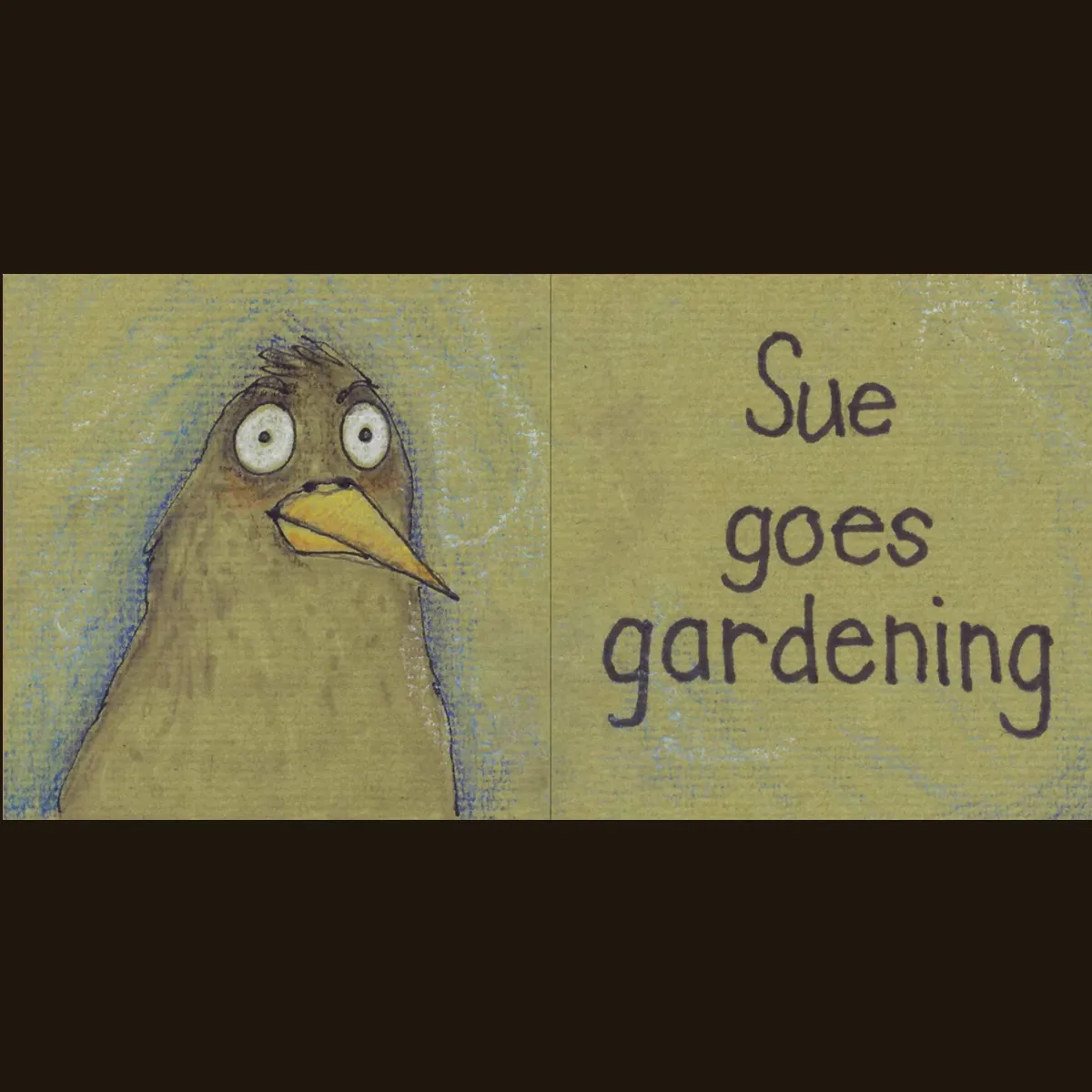
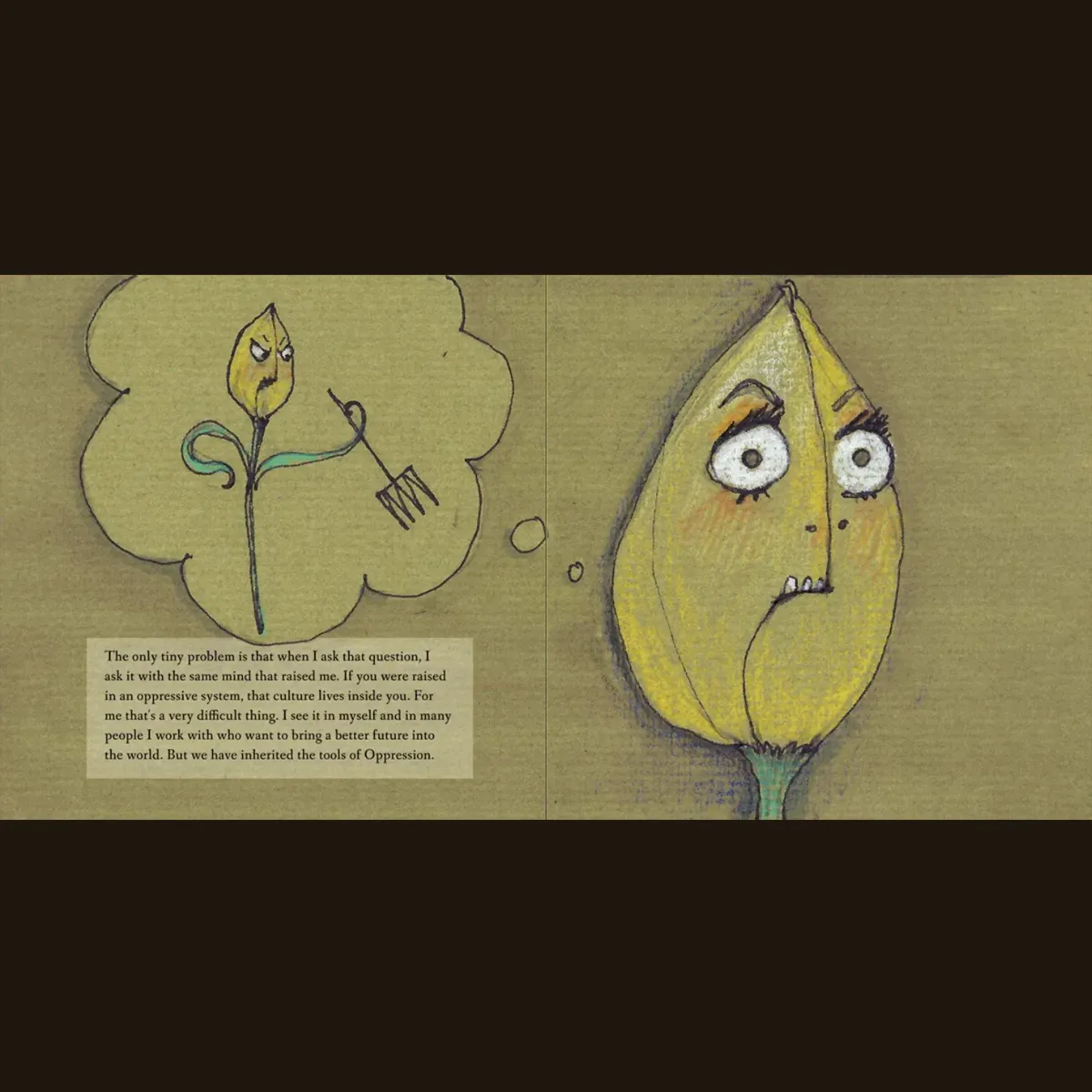
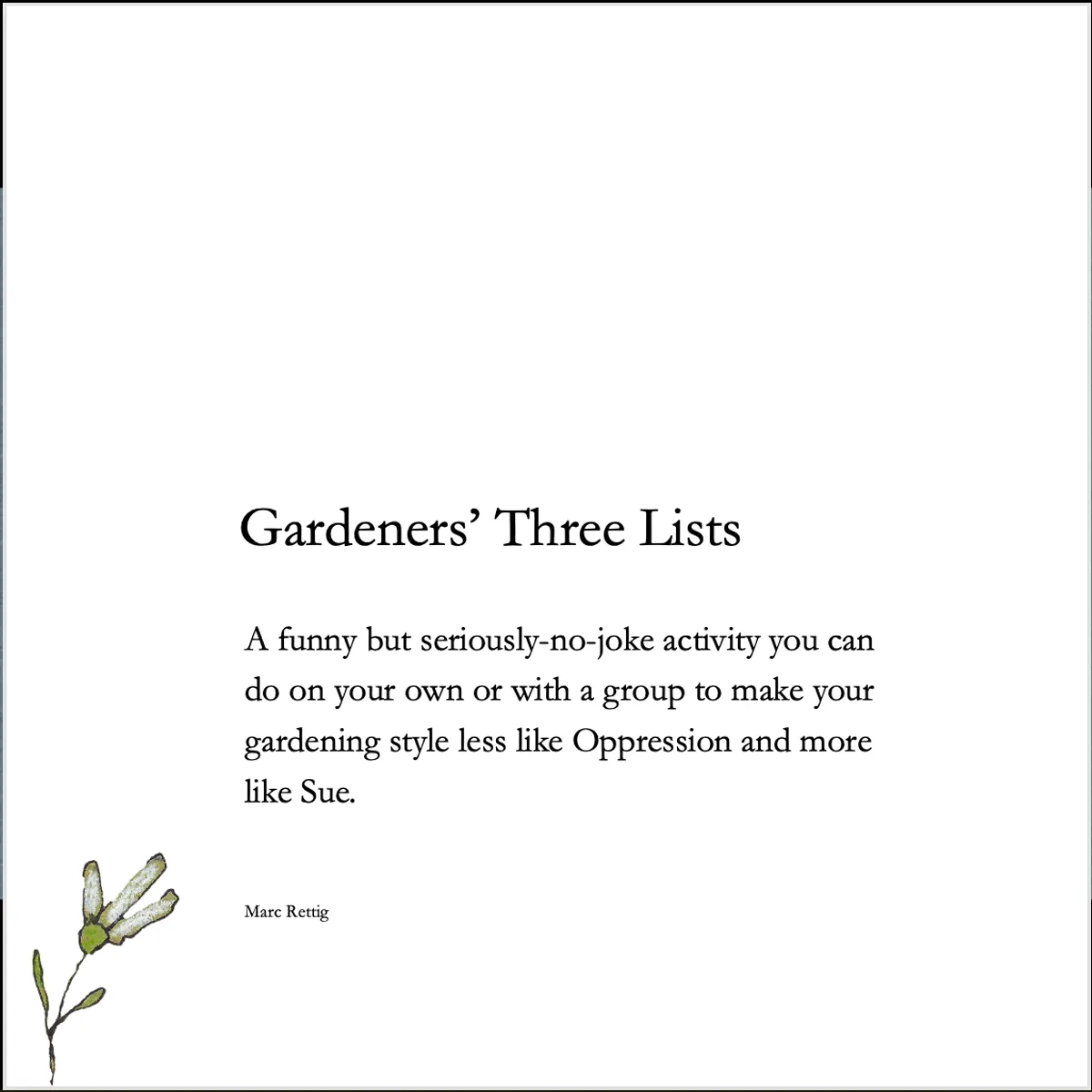
Through whimsical illustration and disarming simplicity, Hanna uses the metaphor of two gardeners to explore how we internalize oppressive patterns and unconsciously reenact them. “Oppression” controls, manipulates, and forces conformity. “Sue” tends, notices, and nurtures life as it is. Originally created for a short talk to fifty people, this adult picture book has never reached beyond that room—yet its themes are urgently needed. The book will include contributions from co-creators who offer practical tools, reflections, and group activities that scaffold readers’ transformation from awareness to action.
Impact
This deceptively simple book addresses a profound challenge: how do we stop perpetuating harmful patterns we didn’t consciously choose? Parents, teachers, managers, community organizers—anyone in a position of influence—can use this work to examine their impulses to control rather than nurture. The included activities turn solitary reading into communal practice, making Oppression and Sue a tool for book clubs, church groups, classrooms, and professional development. It creates space for the difficult conversations we need in order to practice new ways of relating with each other and with ourselves.