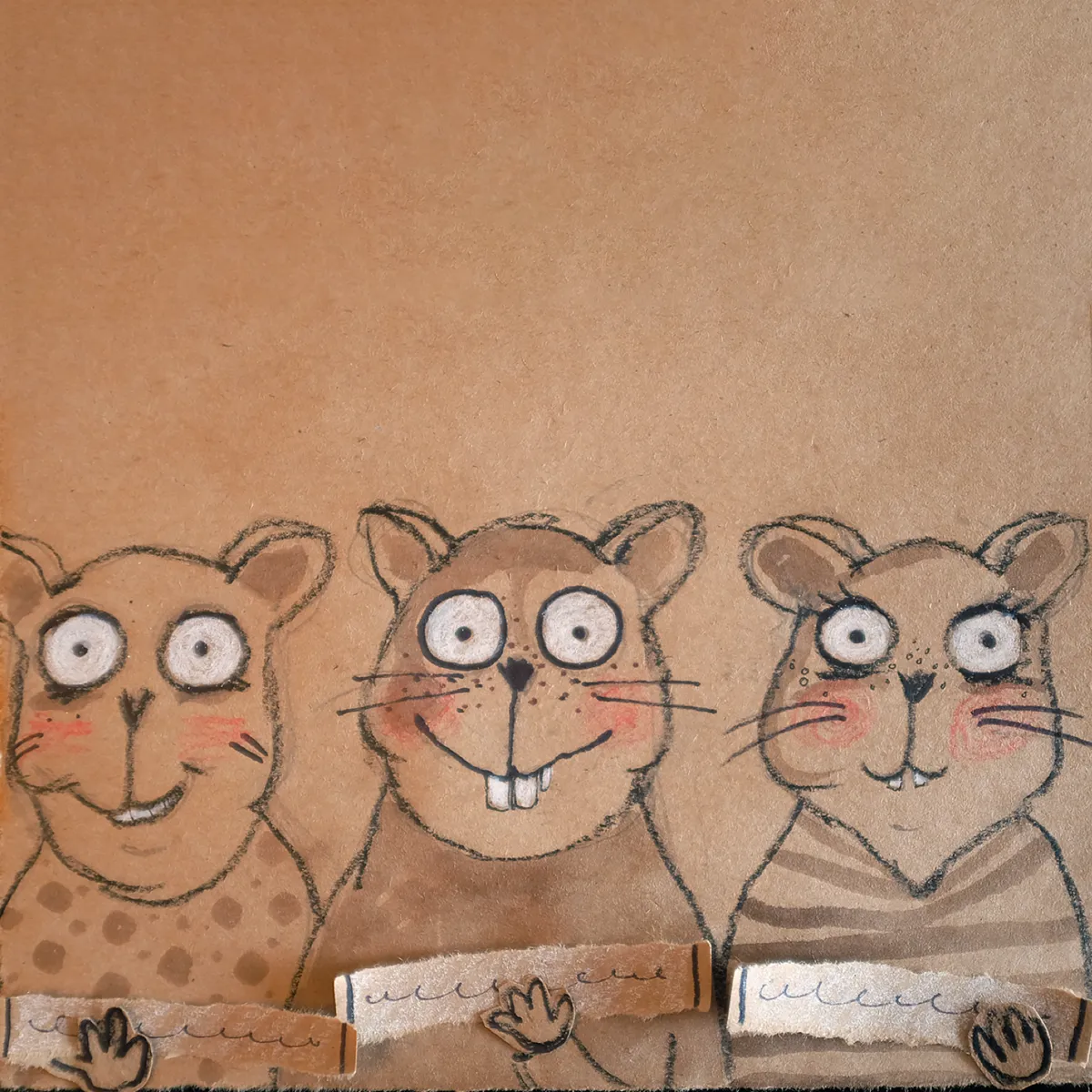
Video: Practicing a New Way of Being (TEDx)
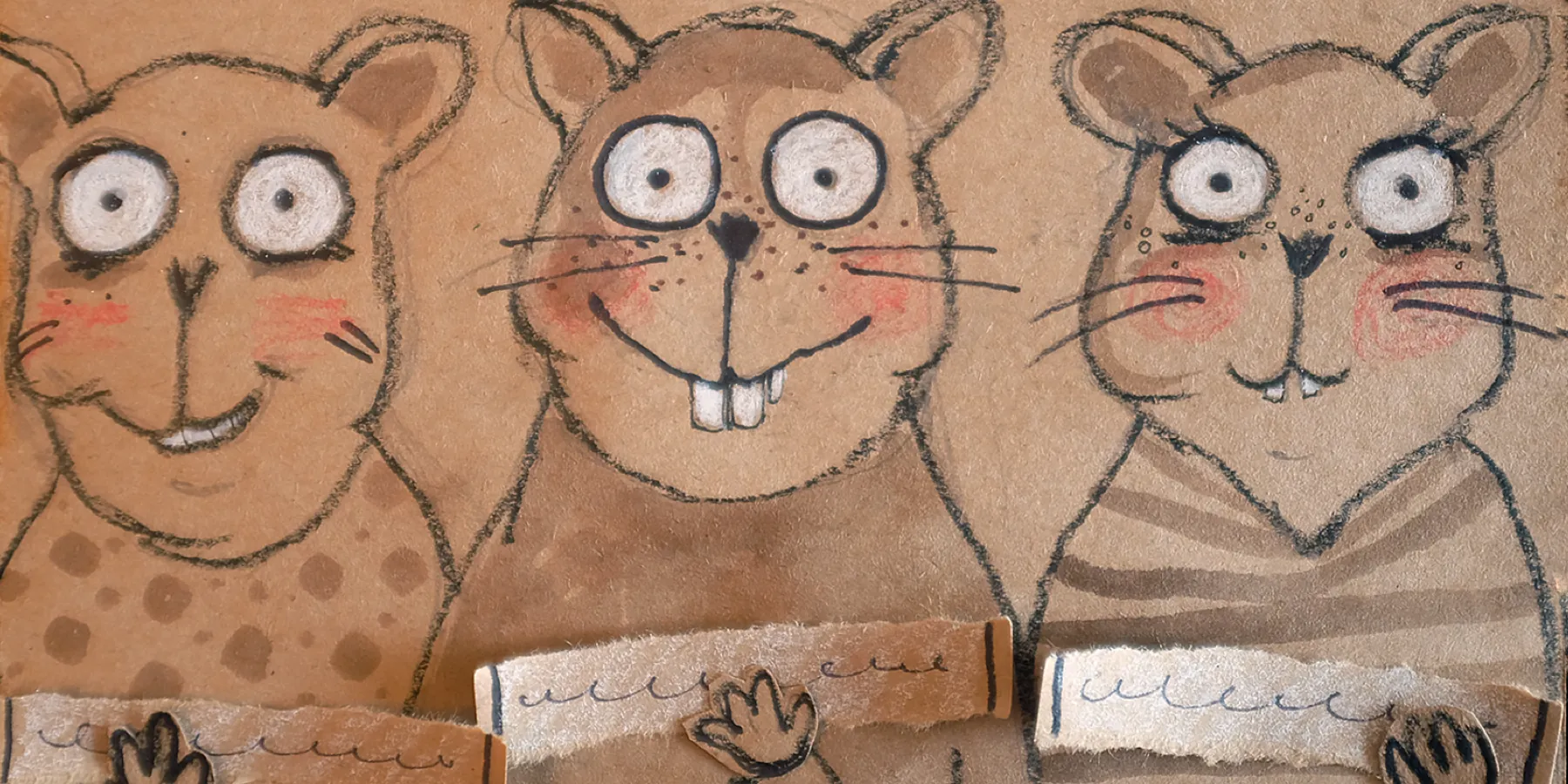
VIDEO
Hanna at TEDx: Practicing a New Way of Being In The World
"The future, the better future that every one of us longs for is not some dream in the sky, it's an unwritten script. And each of our lives are a line inside that script."
Are we as a species doomed to repeat our patterns? Power-over, displacement, exploitation, harm? Or can we practice our way into the possibility that we are the world—which means we can change?
This is Hanna’s invitation from the TEDx stage. Not external change (new continent, new career, new relationship, PC to Mac). Real transformation. The kind that requires meeting what she calls “monsters”—limiting beliefs, fear, past pain and trauma. The crossroads where we choose: resist or avoid and stay trapped, or move through discomfort toward something new.
The talk moves through stories that land with humor and punch. Animal welfare workers discovering they’d “had it wrong.” Managers naming their fears instead of buckling up. Students making art from the painful patterns inherited through generations. Each one an example of what becomes possible when we stop deferring hope to outside forces and engage the difficult work of becoming.
This talk happened before Hanna’s ALS. Before terminal illness made transformation urgent. But the invitation already contained everything: “I want to invite you not to run. And not to numb. When you feel the pain coming up, don’t go to overwork or peanut butter or whiskey. Feel the pain.”
Hanna painted the slides for this talk herself—images full of deep playfulness partnering with serious ideas. (These paintings are the basis for a future illustrated book.) The whole thing demonstrates what she teaches: we can choose to practice, a little at a time, the skills that help us stitch together a better world.

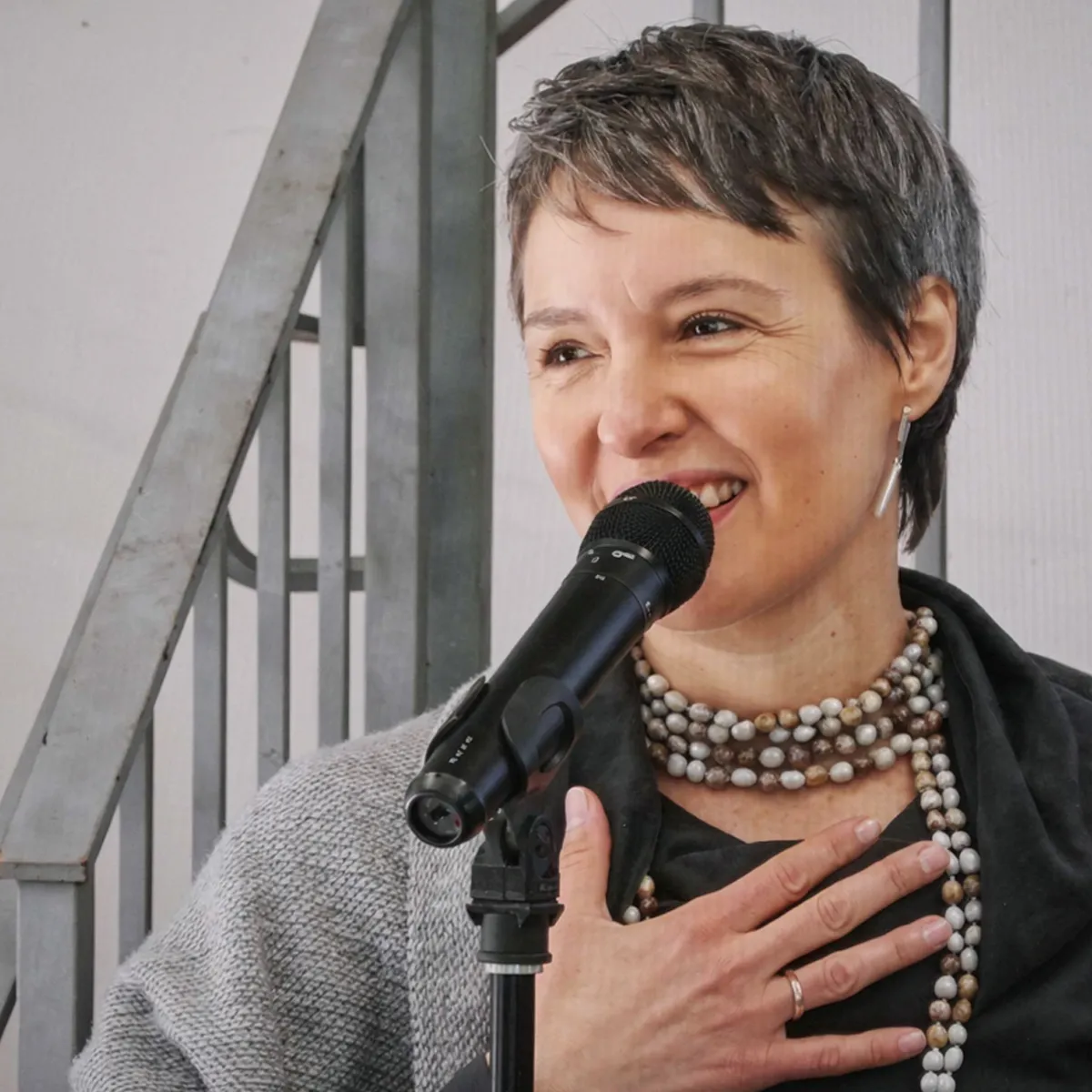
Video: Grappling With Acceptance
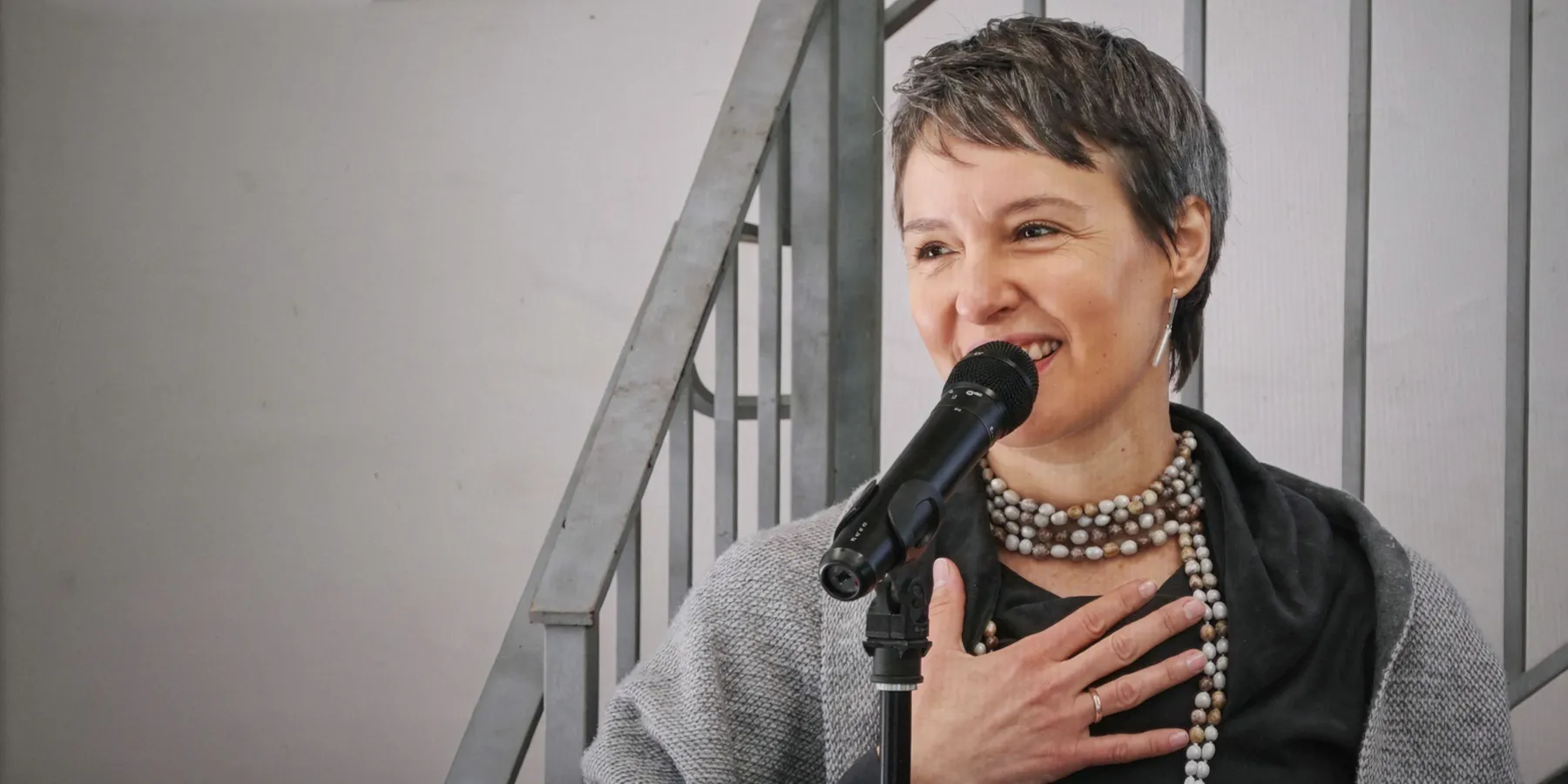
VIDEO & TRANSCRIPT
Hanna at Creative Mornings: Grappling With Acceptance
Grappling With Acceptance
Creative Mornings Pittsburgh
May 2023
"I don't want to die before I'm fifty from suffocation, just like I don't want to live in a world that devalues life—taking it with a knee on a neck, a chokehold on a train, a bullet in the back."
Can you accept what you cannot change? Should you?
Two months after her ALS diagnosis, Hanna stood before a crowd of people—using a ventilator to breathe, friends to speak her words when her mouth ran out of stamina—and asked the audience to practice making gross noises with her. To cup their hands behind their ears if they couldn’t hear. To breathe through the tears that were coming, the 90% forecast for crying.
Then she took them through her own attempts at acceptance: the white-knuckled forcing of it after divorce, the fury-filled throwing of snowballs at a frozen pond while screaming “I hate this!”, the desperate scampering through past mistakes looking for what she did wrong, the moment of asking “Is life worth living with ALS?” What follows is unflinching and tender. Personal and political. She refuses to separate her dying from the world’s dying—extinct species, melting glaciers, people silenced to avoid harm.
Near the end she asks:
“How do we feast on this precious gift amidst the pain, loss and hurt, and extend that life-sustaining-force outwards? How do we say yes to the mess and co-create with it?”
Her answer is, practice. Not acceptance as embrace, but practice as showing up: allowing space to rage without getting stuck there, bringing devastation into community, trusting each other to hold us, resting into life’s abundance.
This is a masterclass in holding shadow and light together.
Podcast: A Conversation About Grief
PODCAST
A Conversation with Hanna About Grief
The Grief of Grappling with Terminal Illness
Untethered to Rooted podcast, Episode 5
Host: Dana Daugherty | May 2024
"Grief is not a monolithic experience that will demolish you—it is a gorgeous part of life. Making us more whole, more connected to each other. It opens us to aqueducts of sustaining joy."
What does it mean to grieve well? Hanna and psychotherapist Dana Daugherty sit together exploring this question. Not theoretically, but from inside terminal illness. This is a conversation that refuses easy comfort. Hanna speaks about the crushing weight of grief and also its trustworthiness. About yelling into the woods while a friend watches for cars. About letting go of her bicycle and weeping with her partner. About the two arrows—the unavoidable pain of loss and the avoidable suffering of getting lost in stories of unfairness.
She offers language for what’s often impossible to express: how community keeps grief from crushing us, how art transforms sorrow into something we can hold, how presence matters more than resolution. Near the end, she offers a blessing for anyone holding loss:
“I wish for you a sacred circle around your grief. One that protects you from anything that rushes in to falsely cheer you up, tempt you to minimize the magnitude of your loss, or hurry you into acceptance.”
This conversation offers depth for anyone navigating grief—whether mourning glaciers, cultures, or loved ones. It’s medicine for a time when so many bodies are suffering.